Understanding the psychology behind gambling’s allure in casinos
The Thrill of Uncertainty
The psychology behind gambling is deeply rooted in the human attraction to risk and uncertainty. Casinos are designed to evoke excitement and anticipation, tapping into our innate desire for adventure. The unpredictable nature of gambling creates a thrill that can be addictive, as players engage in games where the outcome is uncertain. This uncertainty acts as a powerful motivator, leading individuals to partake in gambling activities despite the odds stacked against them. For those looking to explore, finding the best online casino real money can heighten the experience.

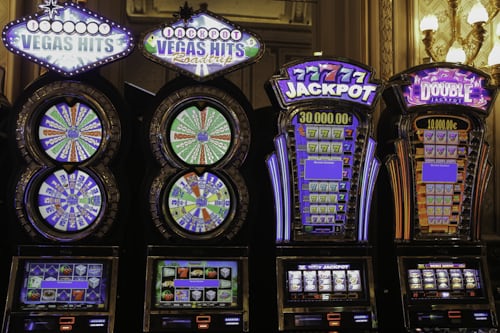
Moreover, the thrill associated with uncertainty can be heightened by the environment of the casino itself. The vibrant lights, sounds, and crowd interactions create an immersive atmosphere that amplifies emotional responses. This sensory overload can enhance the excitement of each bet placed, making it difficult for individuals to resist the allure of the next game or spin of the wheel.
The Role of Reward Systems
Psychologically, gambling activates the brain’s reward system, releasing neurotransmitters like dopamine that generate feelings of pleasure and satisfaction. When players win, no matter how small the amount, it reinforces the behavior and encourages them to continue gambling. This cycle of reinforcement can lead to a compulsive desire to play, as the brain starts associating gambling with positive outcomes, despite the potential for loss.
Additionally, near-misses—situations where a player almost wins—can further intensify the desire to gamble. The brain interprets these close calls as potential successes, prompting players to keep betting in hopes of achieving that elusive win. This phenomenon explains why many gamblers often believe they are “due” for a win, perpetuating their engagement with gambling activities.
The Social Aspect of Gambling
The social environment in casinos also plays a significant role in the psychology behind gambling. Casinos are often bustling with energy, filled with people celebrating wins and sharing experiences. This communal aspect can create a sense of belonging and enhance enjoyment. Many individuals are drawn to the social interaction that gambling provides, allowing them to connect with others and share in the excitement of the game.
Furthermore, the competitive nature of gambling can entice players to engage more frequently. The desire to outperform others and achieve recognition can drive individuals to gamble more than they initially intended. This social dynamic can turn gambling into a shared experience that reinforces participation and fosters an ongoing commitment to the activity.
Myths and Misconceptions about Gambling
There are many myths surrounding gambling that can further fuel its allure. One common misconception is that certain strategies can guarantee wins, leading individuals to believe they can control their outcomes. This false sense of control can make gambling more appealing, as players feel empowered to influence their fortunes. In reality, games of chance are designed to favor the house, and no strategy can change the odds.
Additionally, the myth that gamblers can “chase” their losses often leads to dangerous behavior. Many players believe that by continuing to gamble, they will eventually recoup their losses. This cycle can create a significant psychological burden and may lead to increased financial strain. Understanding these misconceptions is vital for individuals to recognize the realities of gambling and make informed decisions about their participation.
Ensuring a Safe Gambling Environment
In light of the psychological factors that contribute to gambling’s allure, it is crucial to promote a safe gambling environment. Responsible gambling practices can help mitigate the risks associated with excessive gambling behavior. This includes providing resources for individuals to understand the potential impacts of gambling and encouraging them to set limits on their play.
Websites dedicated to promoting safe gambling emphasize transparency and communication, allowing users to access essential information and support. By fostering an environment where users feel informed and protected, they can enjoy gambling responsibly while being aware of its psychological implications.
Se el primero en Comentar